Bits #64
Things to read, watch, listen to, chew over

Happy Monday, booksenbitters. I’m off for an endoscopy/ colonoscopy doublet in a quest to untangle my stomach hell. It was my birthday on Friday - I have got the gift I deserve!
Under the paywall: a gorgeous interview with Jennette McCurdy; a book introduction so rightfully bold that it made me gasp; a philosophical approach to doomscrolling; Nazanin Zaghari-Ratcliffe on life after prison; a very modern poetry collection; the madness of modern movie lengths; 3 great things I bought last week (including something that will - will! - change my life); and are we really overdiagnosing mental illness?
In my 8 years on the job, I’ve never quite found the language to describe parenting, settling for the serviceable, “it’s like constantly levelling up, without ever completing your current level”. Just a few months into fatherhood and Derek Thompson has nailed it:
“To be a parent is to be a permanent tourist in a constantly evolving foreign city, which also happens to be your home. The baby you bring home from the hospital is not the baby you rock to sleep at two weeks, and the baby at three months is a complete stranger to both. In a phenomenological sense, parenting a newborn is not at all like parenting “a” singular newborn, but rather like parenting hundreds of babies, each one replacing the previous week’s child, yet retaining her basic facial structure… Parenthood catapults us into a permanent relationship with strangers, plural to the extreme. When you become a parent, you meet your child. And then you meet your child again. And again, every day after that. You will never stop meeting your child. That is one reason to become a parent: To have a child is to fall in love with a thousand beautiful strangers.”
Towards the end of the piece, there’s an unexpected revelation, which makes Thompson’s previous reflections on identity (or rather, identities) all the more moving.
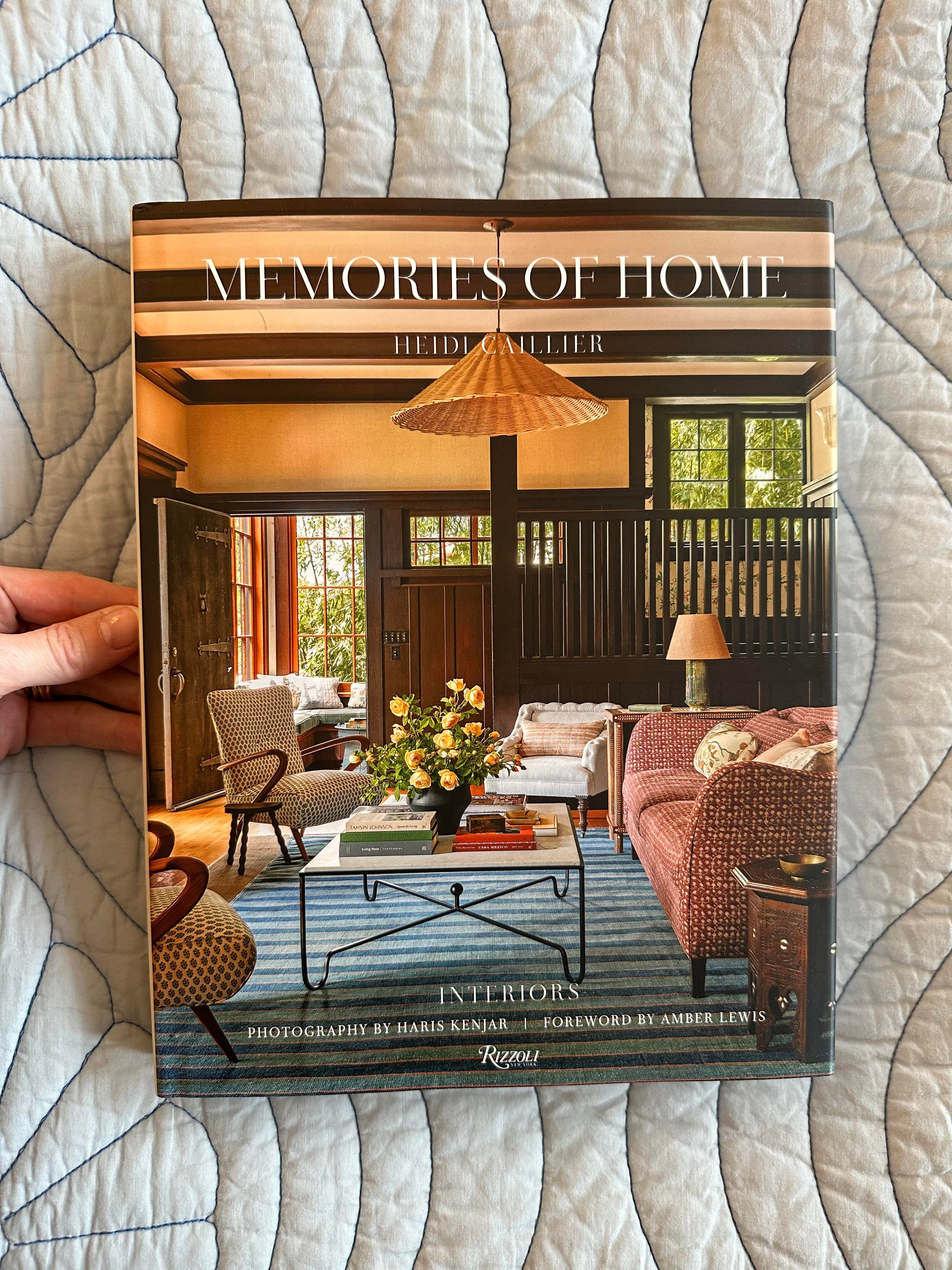
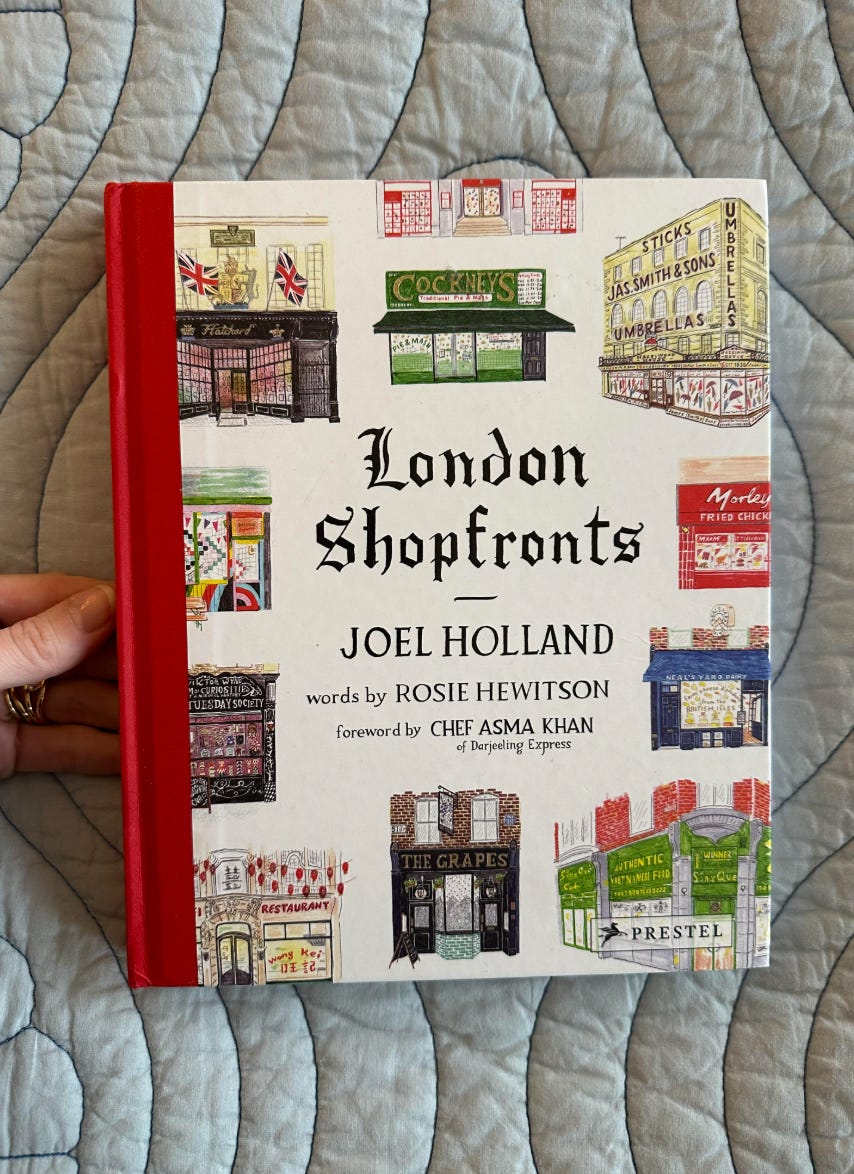
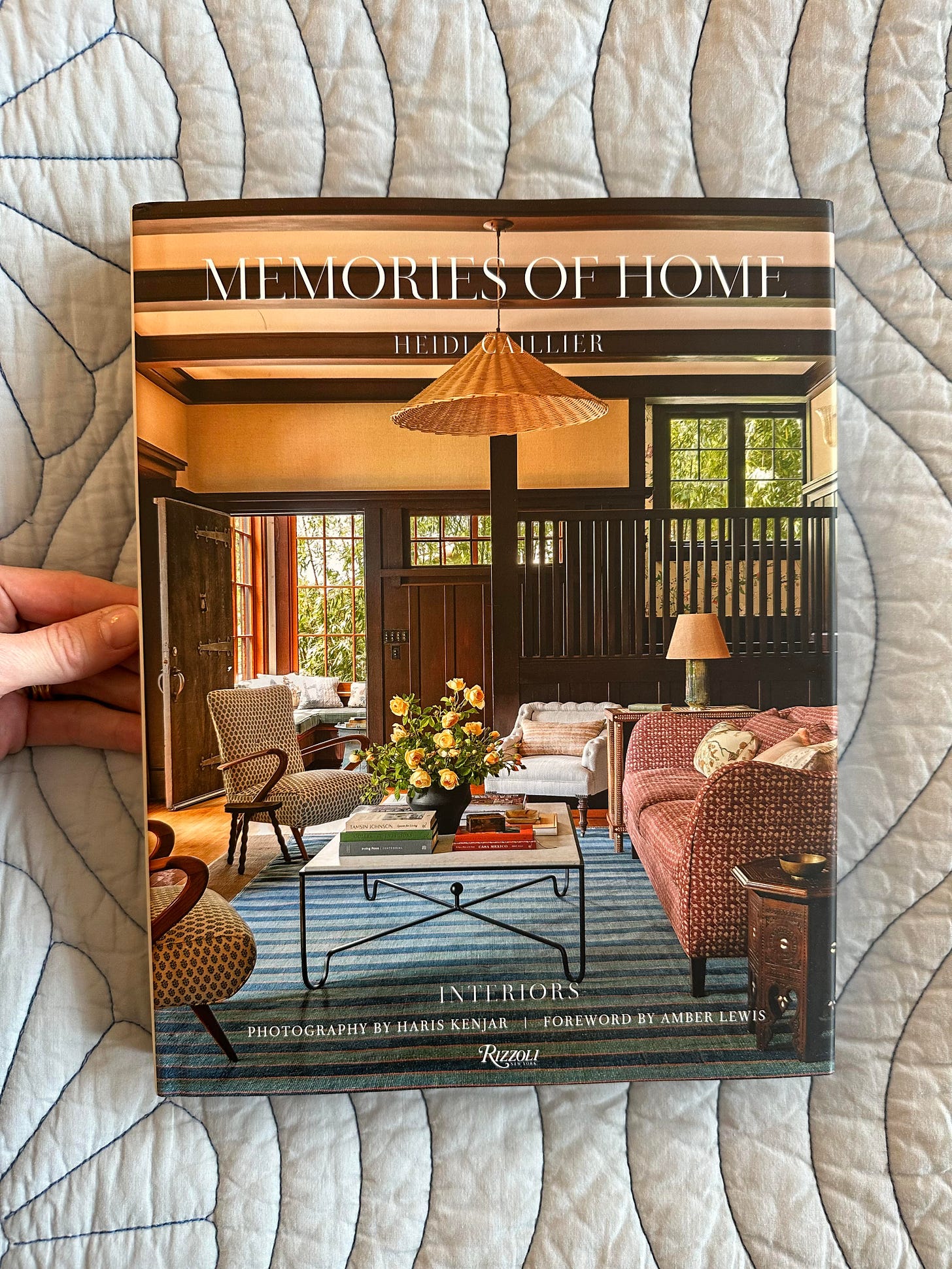
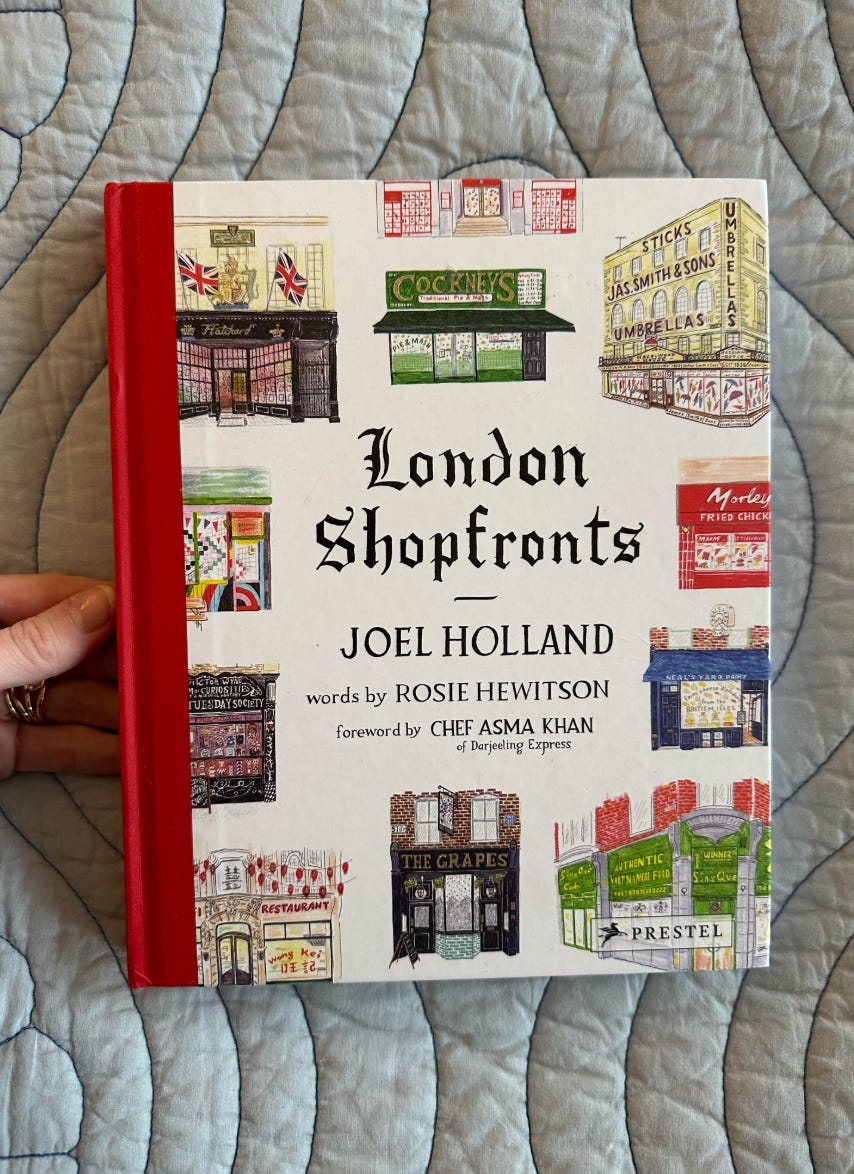
Two books my sister gave me that I’ve been happily flicking through. I love nothing more than a new interiors book; I hope to one day build myself a house made only out of books about houses.
Speaking of bday gifts, my daughter’s friend gave her a Needoh Niceburg and we are all obsessed. The toddler has now requested one for his 3rd birthday. (Yes, it’s birthday month in this household!) She also received a Kids Kindle and it’s so cute it’s making me think twice about reconsidering my e-reader chastity…
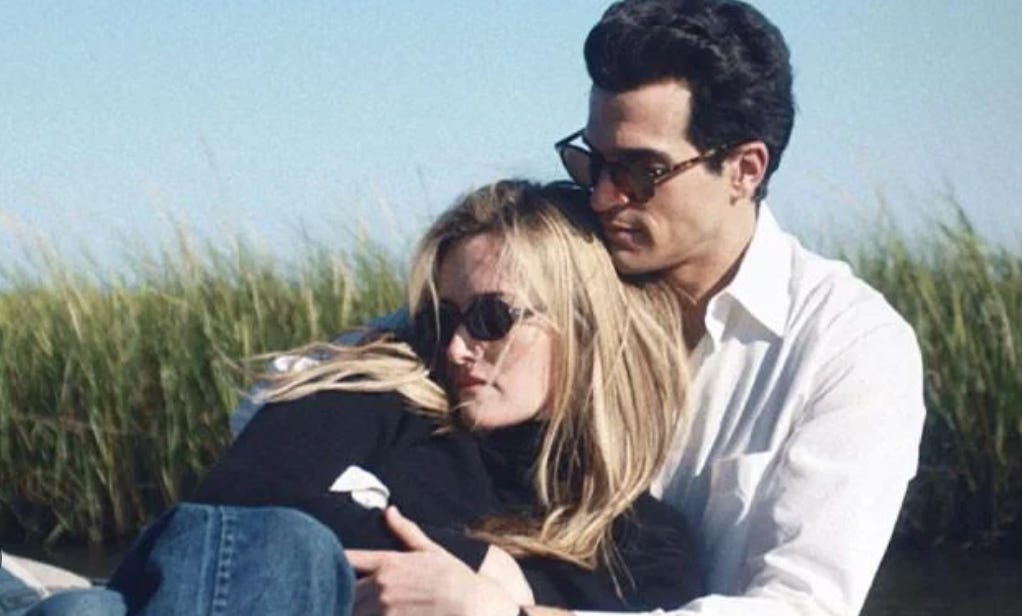
I’m not typically a Ryan Murphy fan, but I am loving Love Story. Sarah Pidgeon is fantastic - irreverent, playful, convincing - and my god, that hair (20 hours of hair dye apparently, and numerous hidden hair extensions). I was also amused to read (because I immediately Googled it, thinking, hold on, these outfits are fantastic) that they had fired and hired a new costume designer after the pictures went out last year, to unanimous scorn, featuring Pidegon with scorched hair, too-short trousers and - ! - the wrong Birkin.
My husband gave me this book on CBK last year (its author, Sunita Nair, was brought on to Love Story as a consultant after said panned images) as like all millennials, I’ve always liked her style, but I had no idea that one of the reasons CBK has remained so mysterious, so muse-y, is because she never gave a single interview, in her 6 years of fame - not even to Vogue, despite the fact that as a former Calvin Klein publicist, she’d have read the magazine religiously. I imagine bearing witness to Princess Diana fever - I’m not sure if you can equate them, but I know that CBK was enormous in America in a way she wasn’t here - made her intensely wary.
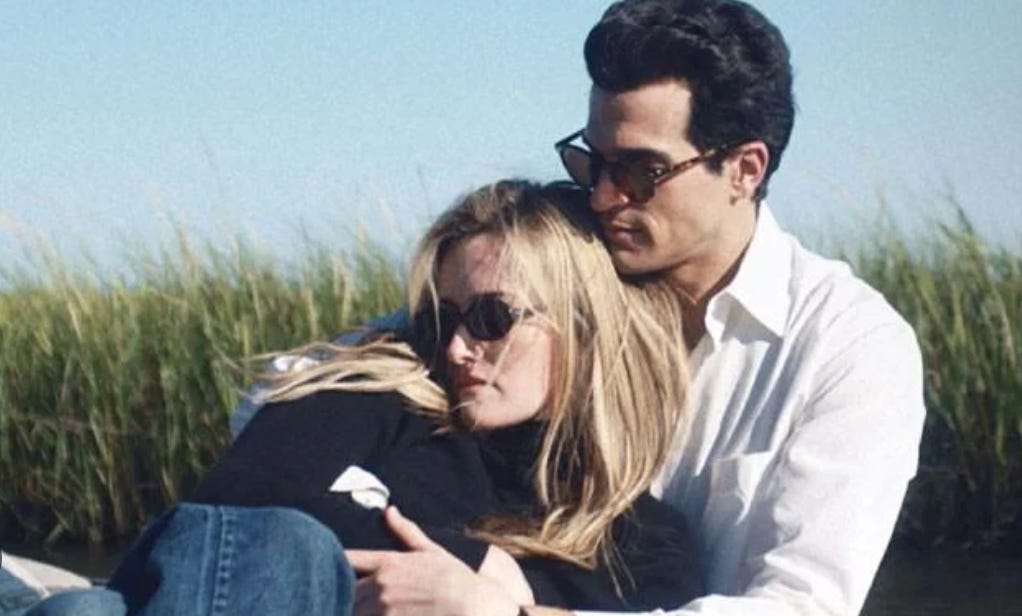
sidenote: Pidgeon as CBK is a dead ringer for Natasha McElhone The sad thing, of course is that into the void came the rumours around her drug addiction, them fighting over her not wanting children. (If Love Story is to be believed, the issue was actually that she never wanted to be famous and found fame utterly corrosive.) I fully understand why the Kennedy family didn’t want this series - would anyone want to feature in a biopic? - not least having just devastatingly lost Caroline’s daughter, Tatiana Schlossberg, but I actually think everyone comes across really well: Caroline Kennedy (a brilliant Grace Gummer), JFK Jr (a decent Paul Anthony Kelly) most of all luminous, irreverent Carolyn. Jackie O doesn’t quite land - as my friend says, it’s just Naomi Watts in a wig; WASPy old snob Ethel Kennedy is a bitch (but she sort of redeems herself); and apparently (I don’t know enough about Daryl Hannah), they have done Daryl Hannah dirty. (Although Dree Hemingway looks great in her ‘fits.) I also loved a deliciously snitty Alessandro Nivola as Calvin Klein. The only person who comes out really badly is Mark Wahlberg, after his homophobic outburst of ‘93. When you read about quite how many times he let heinous rip that decade, I think it’s fair. I’m surprised that the reviews have been so lukewarm; I can’t wait for the final few episodes to drop.
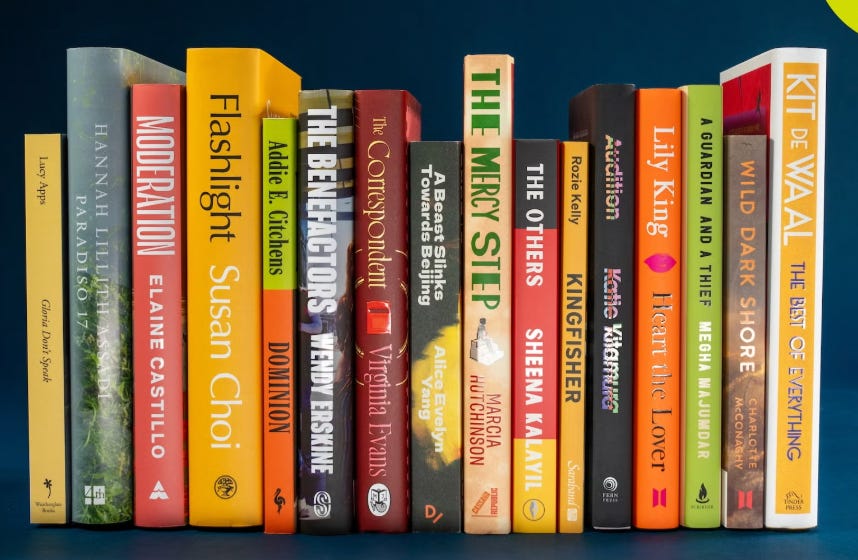
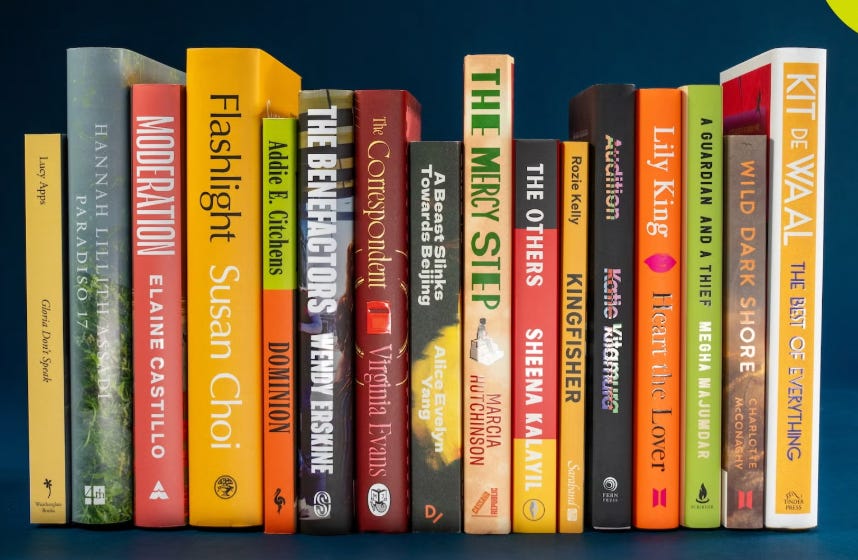
The Women’s Prize for Fiction longlist has dropped, and I’m pleased to spy The Correspondent (more here), Moderation (more here) and Heart the Lover (more here). I haven’t read any of the others yet, although I’ve had Gloria Don’t Speak on my towering bedside pile for a while and I’m intrigued by Flashlight. LMK in the Comments any you’ve loved/ I should read next.
Four interviews I loved this week, where - joyously - the journalists refuse to just write a press release. Firstly, Louis Theroux (who has made a new documentary on my current obsession, the youngbloods of the manosphere, which I will be watching with the asappiest of asaps) by Charlotte Edwardes for The Guardian, who makes no bones about how difficult an interviewee he is. It’s excruciating, funny and fair.
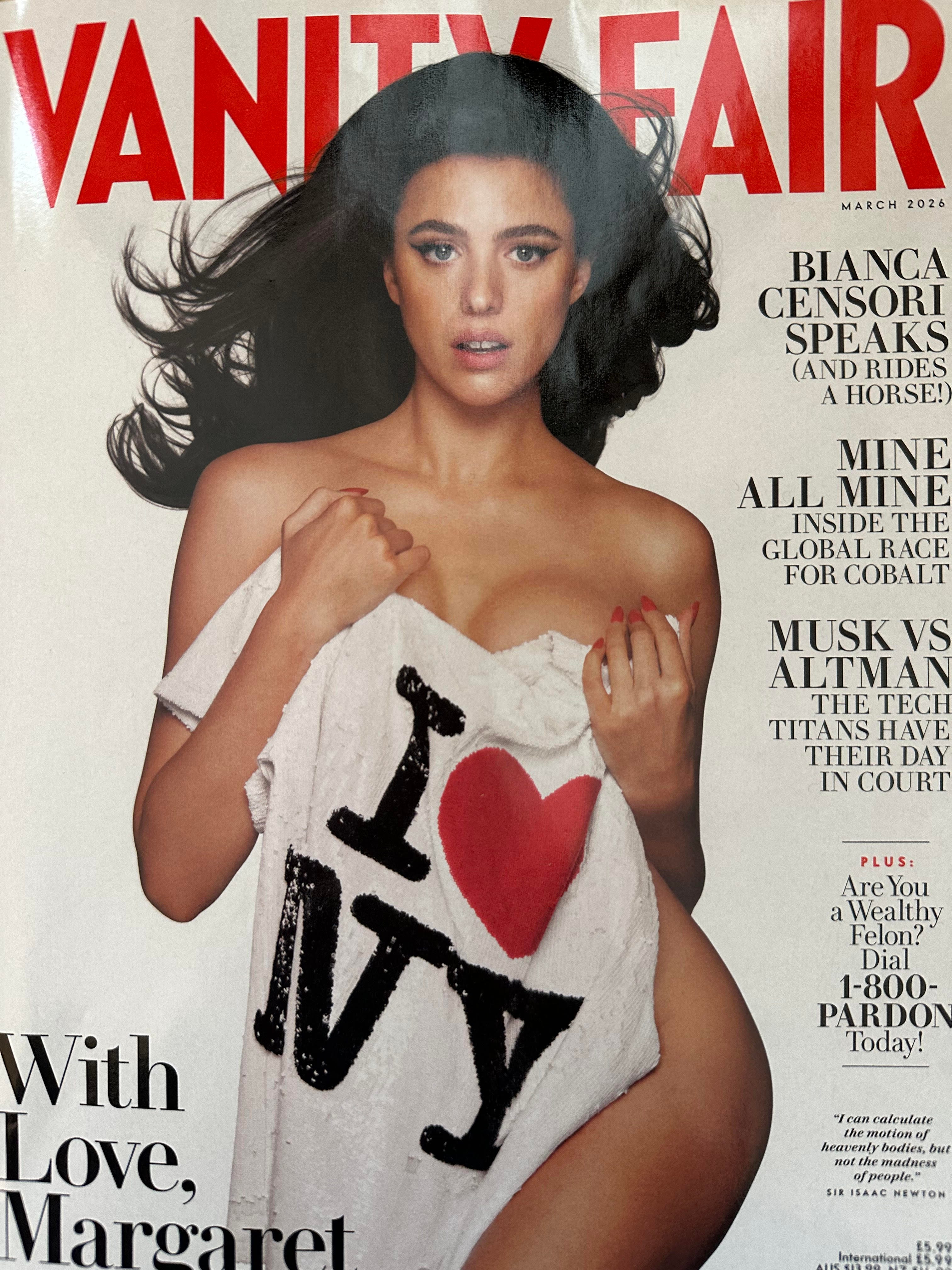
Margaret Qualley for Vanity Fair is an interesting one, because journalist Marissa Meltzer requests a second interview, feeling that she got so little from an earnest, sweet, guarded Qualley the first time - something I think every journalist is familiar with. Gently upbraiding the interviewee doesn’t usually result in a second shot, though! You don’t have to talk about yourself, says Meltzer - find other things that you are passionate about. An obliging Qualley returns with a tiny dog, a glass of wine, and a list.
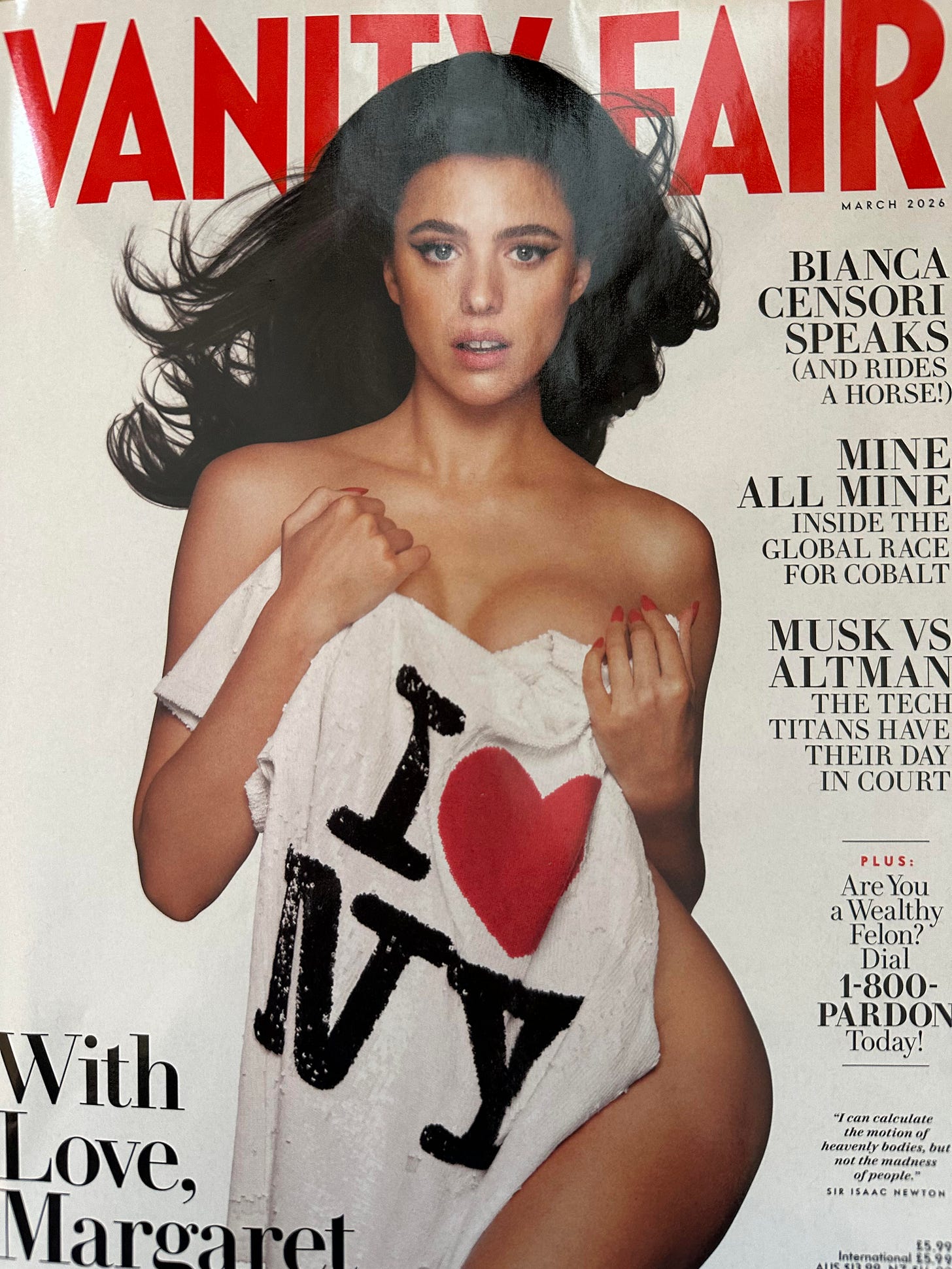
She looks excellent but this is one hell of a retro cover Also in Vanity Fair (the mag is so good at the moment) Bianca Censori by Anna Peele who was - and I find this quite boggling - the most Googled woman of 2025. Never before has a person without speech had more visibility, Censori says proudly. I’m not sure the tenacious Peele quite gets to the bottom of why, in 2026, it is a feat to be seen and not heard, or what Censori finds so interesting about public nudity, but it turns into an interesting wrangle on the art vs. the artist (Censori and her team don’t believe that in order to “get where you are going”, you won’t say, or do something offensive) and Censori shares her (entirely unfathomable to this reader) thoughts on that architectural ruin.
And lastly, Nazanin Zaghari-Ratcliffe, by Alice Thomson for The Times. I’ve read a fair few interviews with Zaghari-Ratfcliffe, especially after watching the extraordinary Prisoner 951, but this is obviously her first since the outbreak of war in Iran. What I also found interesting, is that this interview is the first time I’ve read Zaghari-Ratcliffe talk about what it was like to be home. Not to come home, to be home.
“People would say to me, when you leave prison you need to look after your mental health, but they rarely ask about your financial health. I came back to a country that had been hit by the pandemic. Things were much more expensive. I couldn’t work; I was depressed; I had changed my country. I underestimated how difficult freedom would be… Yes, the recovery process took time. I had huge OCD. It was hard to live with two people who are very messy. I needed order and control at first, but now I care less… Gabriella had had the house to herself with her dad and they were relaxed about their home. Then I came back and had a need for everything to be precise. It was frankly driving us all mad. I had a breakdown once and started crying and my daughter was thinking, ‘What the heck?’ It was hard for her. Therapy helped, and medication. Time helped most.”
I found it so candid, unsentimental, moving. She raises a really good point about lack of income, too. Why do never ask about the financial health of people wrongly imprisoned? How many of them can go back to their previous jobs?